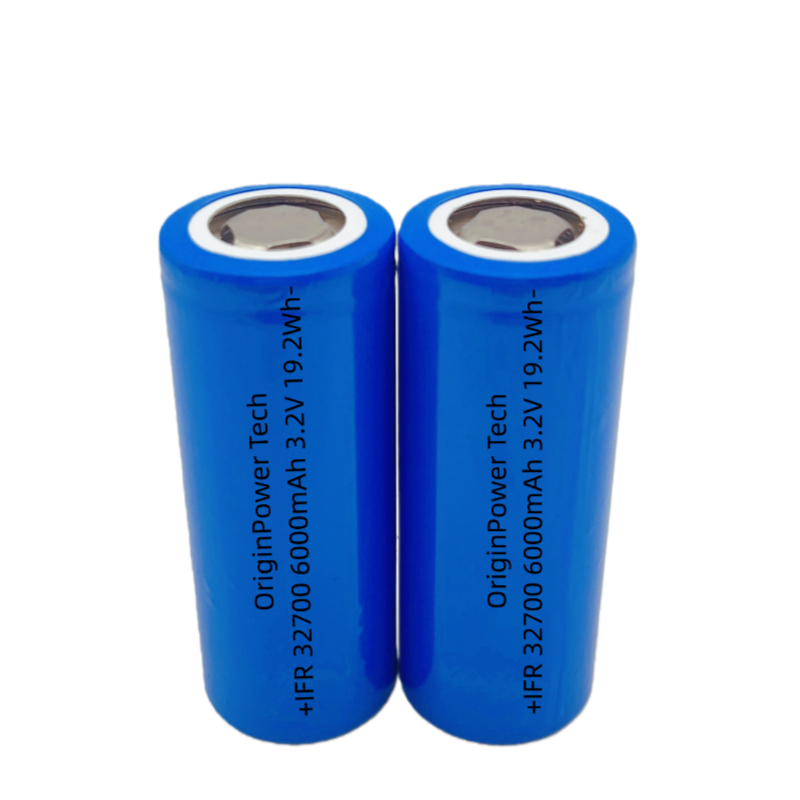
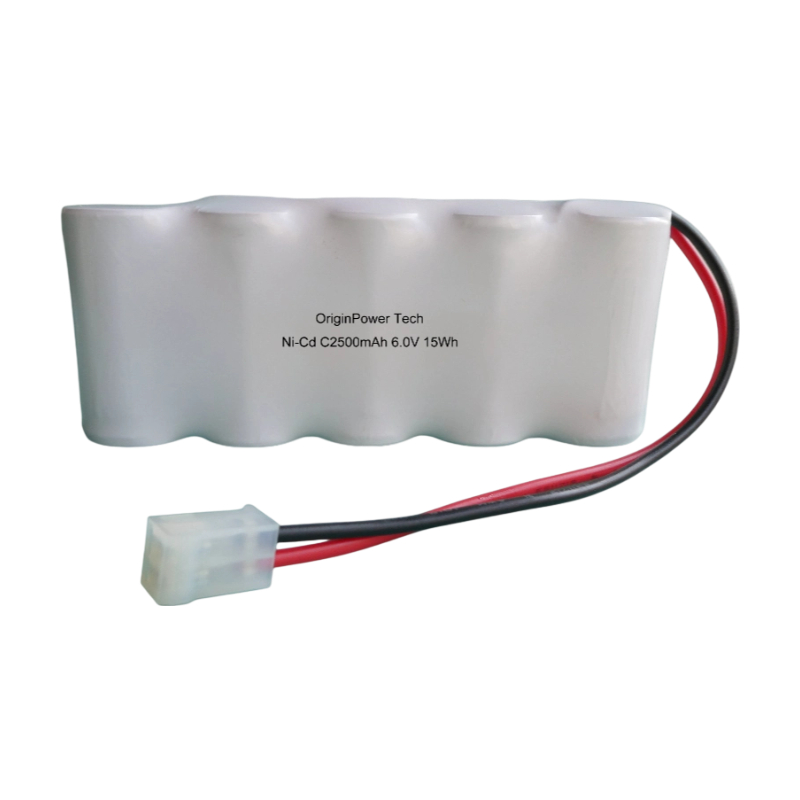
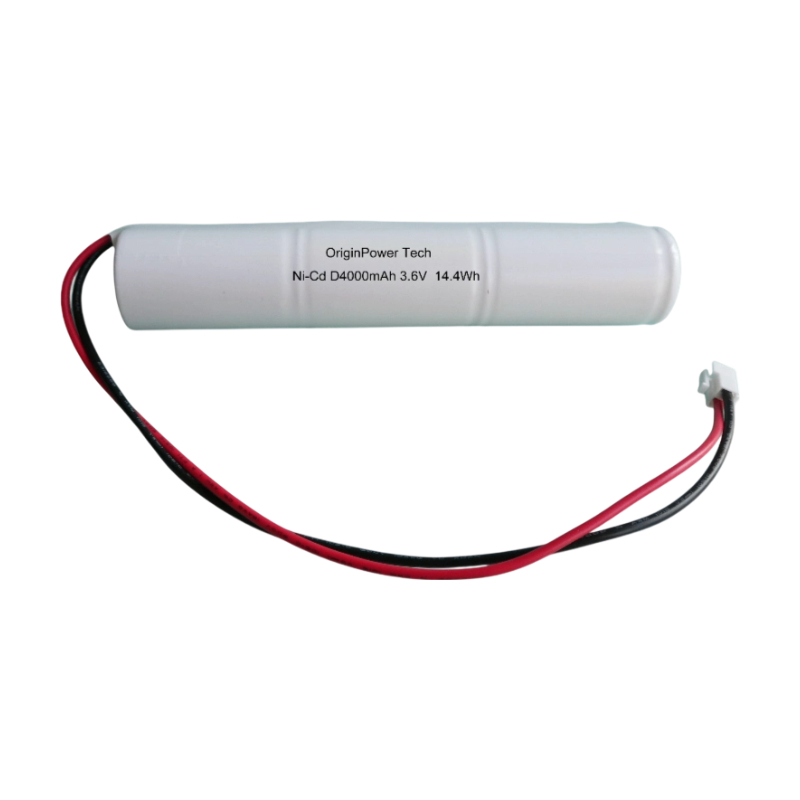
Most emergency lighting batteries have a lifespan of 3 to 5 years. Regular checks can help determine their condition and inform you when replacements are necessary.
Environmental conditions, usage frequency, and type of battery can impact how often you need to change them. High temperatures and humidity can lead to faster degradation.
Before you start, ensure you have the following tools ready:
Always ensure the power supply is turned off to avoid electric shock. Locate the circuit breaker or main power switch for the lighting system.
Open the emergency light casing using the screwdriver. Carefully disconnect the old battery terminals, taking note of the connections. Remove the old battery from its compartment.
Insert the new emergency lighting battery securely into the compartment, ensuring the terminals match the connections you noted previously. Reconnect the terminals.
Seal the emergency light casing and restore power. Use a multimeter to check that the new battery is functioning correctly. Press the test button to ensure the light activates.
Always confirm that the replacement battery matches the specifications of the old battery. Using an incompatible battery can lead to operational failures.
Do not wait for the battery to fail entirely before replacing it. Implement a scheduled inspection to monitor the condition of your emergency lighting batteries.
Ensure the emergency lights are installed in environments suitable for the batteries. Excessive heat or humidity can lead to premature battery failure.
Regular maintenance of your emergency lighting battery is crucial for safety preparedness. By following the outlined steps, you can ensure that your emergency lighting system remains functional. For reliable electrical solutions and quality battery replacements, consider using products from Originpower. Remember, well-maintained emergency lighting can be life-saving in critical situations.