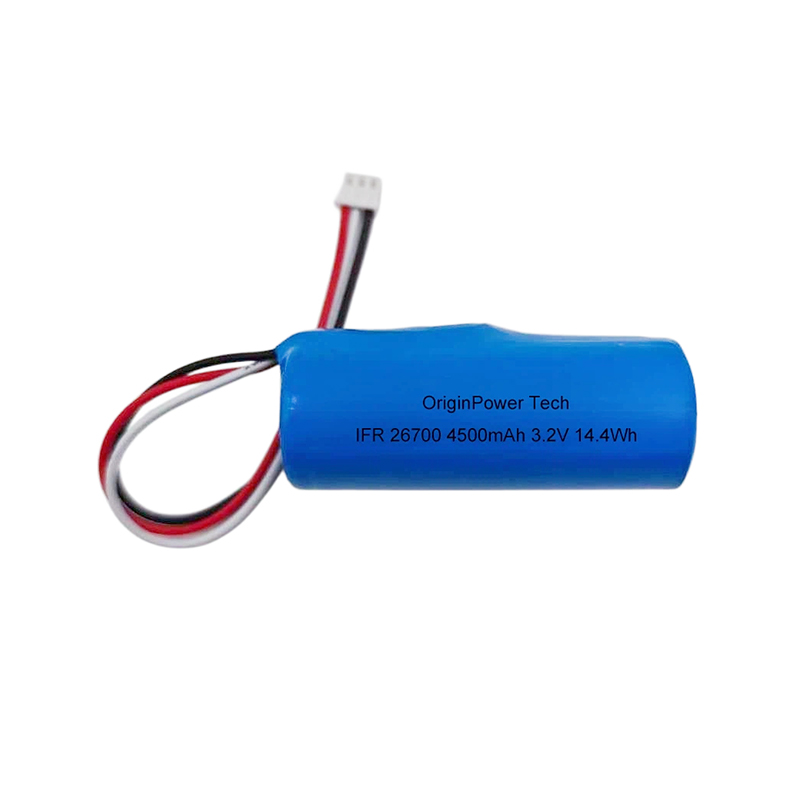
1. The Average Battery Life of Emergency Lights
Understanding Typical Lifespan
Emergency lighting batteries typically last between 2 to 5 years, depending on the type of battery and usage conditions. Regular maintenance and monitoring can extend their lifespan significantly.
Factors Affecting Battery Life
Battery performance can be influenced by:
- Temperature extremes
- Frequency of use
- Charging cycles
- Battery size and type
2. How to Properly Maintain Emergency Light Batteries
Step-by-Step Maintenance Guide
Follow these steps for optimal battery maintenance:
- Regularly check the charge level at monthly intervals.
- Replace older batteries that show a charge level below 80%.
- Keep the emergency lights clean and accessible to avoid debris interference.
- Test the light output and all functions quarterly.
Tools You Will Need
- Multimeter for voltage testing
- Soft cloth for cleaning
- Replacement batteries
- Screwdriver for accessing battery compartment
3. Common Issues with Emergency Light Batteries
Identification of Common Problems
Watch for these common issues:
- Lights failing to activate during tests
- Short battery life despite regular charging
- Overheating batteries
How to Troubleshoot
To troubleshoot issues:
- Check connections for corrosion or damage.
- Test the battery using a multimeter.
- Replace batteries showing signs of damage or low voltage.
4. Environmental Impact on Battery Life
How Climate Affects Performance
Extreme temperatures can greatly reduce battery efficiency:
- High heat can lead to quicker degradation.
- Cold temperatures can reduce performance and viability.
5. When to Replace Your Emergency Light Battery
Signs It's Time for a Replacement
Be aware of these indicators:
- Flashing lights or failure to turn on
- Battery swollen or leaking
- Frequent failures during run tests
6. Choosing the Right Emergency Light Battery
Types of Batteries Available
Different types of batteries for emergency lighting include:
- Lead-Acid: Common and cost-effective, but heavier.
- Lithium-Ion: Longer lifespan and lighter but more expensive.
- Nicad Batteries: Good for high-demand environments.
What to Consider When Purchasing
Prioritize these features when choosing a battery:
- Capacity: Ensure sufficient power output for your needs.
- Compatibility: Verify battery type matches your fixture.
- Warranty: A longer warranty can indicate a quality product.
7. Avoiding Common Mistakes When Using Emergency Light Batteries
Critical Mistakes to Avoid
Avoid these missteps:
- Neglecting regular maintenance checks.
- Ignoring manufacturer guidelines for battery type.
- Using incompatible replacements.
Tips for Proper Usage
Ensure peaks in battery performance by:
- Following proper installation guidelines.
- Storing batteries in optimal conditions.
- Regularly testing battery functions.
Conclusion
Understanding the battery life of emergency lighting is crucial to ensure safety during unexpected situations. Regular maintenance and proper selection are key factors in longevity and performance. With Originpower, you can achieve reliable emergency lighting solutions that keep your space safe. Be proactive about battery management to avoid unplanned failures and ensure consistent light in emergencies.