Product Description
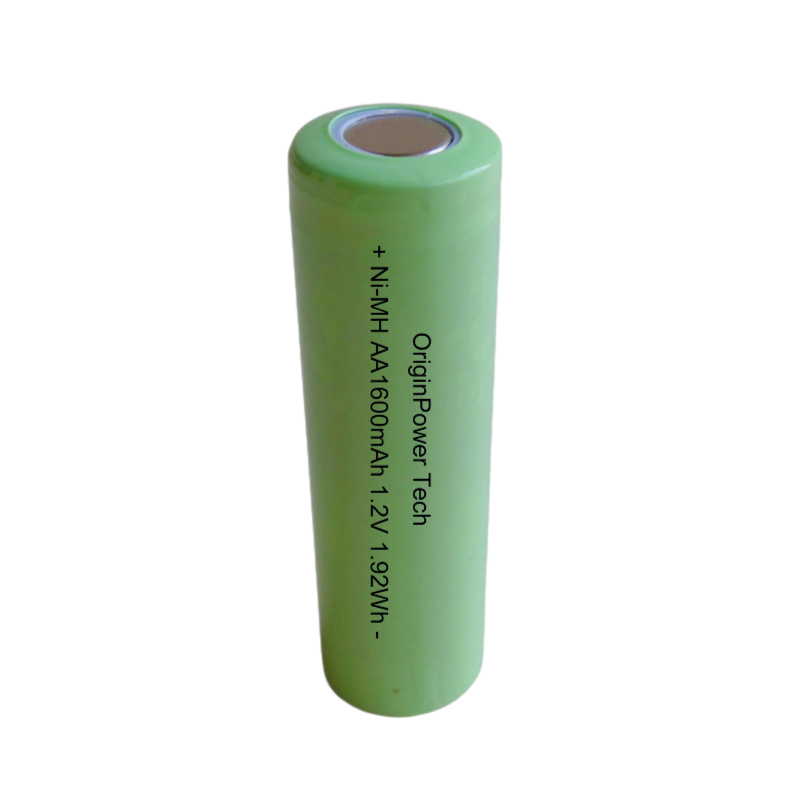
This product is a high-capacity C-size Ni-MH battery available in three capacity specifications: 4000mAh, 4500mAh, and 4700mAh. Utilizing advanced nickel-metal hydride electrochemistry, the battery delivers high energy density while maintaining excellent safety performance. Free from heavy metals and memory effect, it supports charging at any time, features leak-proof design and overcharge protection, ensuring safe and stable operation in various application scenarios. It is an ideal safe power solution for electric toys, high-power devices, and applications requiring extended runtime.
1. Higher Energy Density: Ni-MH batteries typically offer 30%–50% higher capacity than Ni-Cd batteries, providing longer run time within the same size.
2. Environmentally Friendly (No Cadmium): Ni-MH batteries contain no toxic heavy metals such as cadmium, making them safer for the environment and easier to recycle.
3. Reduced Memory Effect: Ni-MH batteries have a much lower memory effect compared to Ni-Cd batteries, allowing recharging at any time without significant capacity loss.
4. Higher Energy Efficiency: They deliver better charge/discharge efficiency and more stable voltage output.
5. Lower Self-Discharge: Improved Ni-MH cells have a lower self-discharge rate, maintaining good capacity even after long-term storage.
6. Wider Range of Applications: With higher capacity and eco-friendly properties, Ni-MH batteries are widely used in ermergency lighting,digital devices, communication equipment, power tools, and hybrid vehicles.
● Outdoor Equipment Field
● Outdoor lighting equipment
● Field monitoring instruments
● Expedition equipment power
● Industrial Instrumentation
● Industrial measuring instruments
● Automation control equipment
● Data acquisition devices
● Special Environment Applications
● Cold region equipment
● High-temperature workshop instruments
● Automotive electronic devices
Use a charger specifically designed for Ni-MH batteries. Avoid overcharging or over-discharging, as this may shorten battery life.
Do not allow the battery terminals to come into contact with metal objects (such as keys or jewelry) to prevent short circuits, overheating, or fire.
● Recommended operating temperatures: Charging: 0℃–45℃;
● Discharging: -20℃–60℃.
● Do not use or store batteries in high-temperature, humid, or direct sunlight environments.
Ensure correct polarity (+ / -) when installing batteries. Incorrect installation may damage the battery or device.
Do not disassemble, solder directly to, or modify the battery, as this can cause internal short circuits or leakage.
If not in use for a long period, store the battery at around 40%–60% charge and recharge every 3–6 months to maintain performance.
Avoid mixing batteries of different types, capacities, or charge levels, as this may cause imbalance, leakage, or reduced performance.
Dispose of used batteries properly at designated recycling points. Do not throw them into household waste to prevent environmental pollution.