Li-ion (Lithium-ion) batteries are rechargeable batteries that use lithium ions as the primary component of their electrochemistry. They are widely used in portable electronics, electric vehicles, and renewable energy applications due to their high energy density, lightweight, and long cycle life.
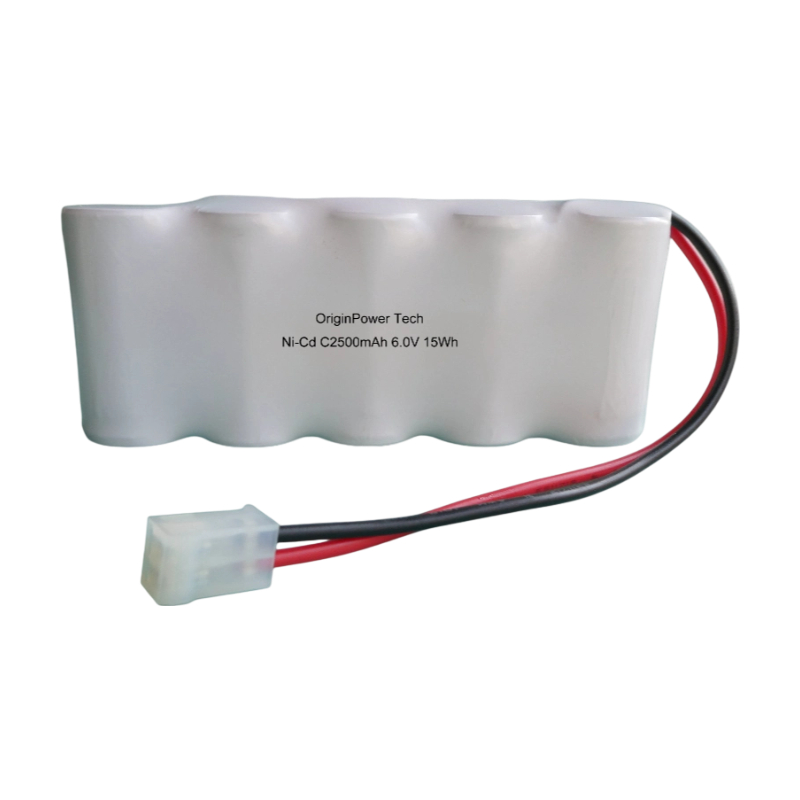
NiCd (Nickel-Cadmium) batteries are also rechargeable batteries, known for their ruggedness and reliability in extreme conditions. They are commonly used in power tools, emergency lighting, and backup power systems. However, they are less favorite now due to environmental concerns and inferior energy density compared to Li-ion batteries.
Below is a comparison of the core parameters between Li-ion and NiCd batteries:
| Parameter | Li-ion | NiCd |
|---|---|---|
| Energy Density | 150-200 Wh/kg | 30-50 Wh/kg |
| Cycle Life | 500-2000 cycles | 1000 cycles |
| Self-Discharge Rate | 5-10% per month | 20% per month |
| Charging Time | 1-3 hours | 1-2 hours |
| Environmental Impact | Less hazardous | Toxic due to cadmium |
When comparing battery life and stability, Li-ion batteries demonstrate a significant advantage. They can hold a charge longer than NiCd batteries, which tend to suffer from the memory effect, leading to reduced capacity over time. Users have reported:
Li-ion batteries are typically better at managing heat and are equipped with protective circuitry to prevent overheating. In contrast, NiCd batteries can generate more heat and are more prone to overheating if overcharged, posing safety risks. Key points include:
Both battery types have distinct advantages and drawbacks, which users need to consider based on their needs:
Users should consider the specific applications they need batteries for when making a choice:
In conclusion, both NiCd and Li-ion batteries serve specific purposes based on their unique advantages and disadvantages. Users must assess their requirements carefully. At Originpower, we focus on providing quality battery solutions tailored to your needs, ensuring optimal performance and environmental consciousness.
 Originpower">


