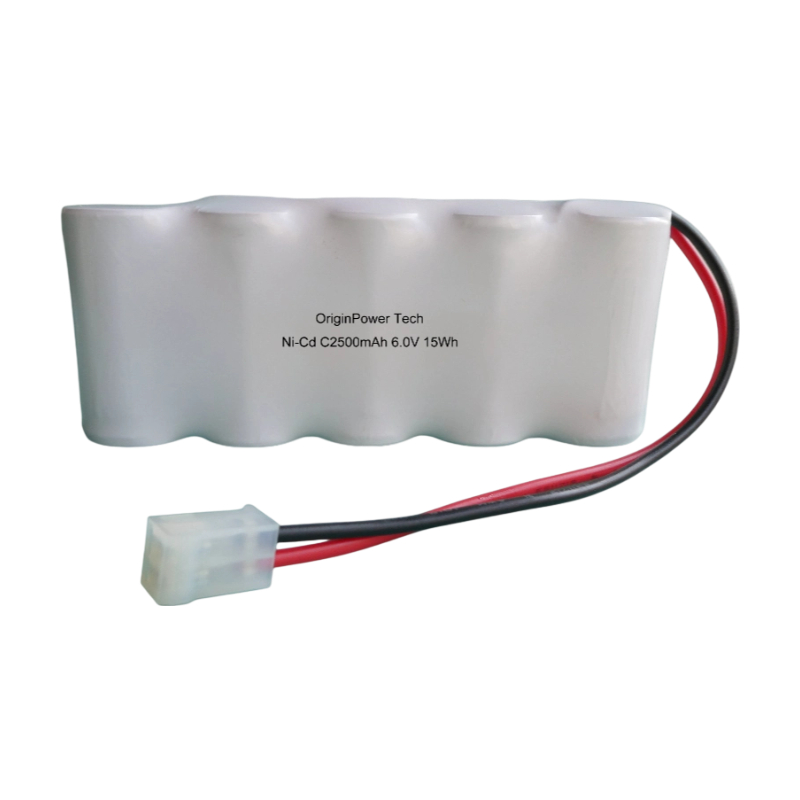
NiCd (Nickel-Cadmium) batteries have been commonly used since the 1960s. They are known for their durability and ability to deliver a consistent discharge, making them suitable for high-drain applications.
NiMH (Nickel-Metal Hydride) batteries emerged as a more modern alternative to NiCd. They offer higher capacity and energy density, which allows them to power devices for longer periods under similar loads.
| Parameter | NiCd | NiMH |
|---|---|---|
| Voltage | 1.2V | 1.2V |
| Capacity | 600-1200mAh | 1200-3000mAh |
| Self-Discharge Rate | 10-30% | 30-50% |
| Charging Time | 1-3 hours | 2-5 hours |
While both NiCd and NiMH batteries discharge gradually over time, NiMH batteries typically last longer under sustained use and are better suited for modern devices that require longer operation between charges.
NiCd batteries are ideal for users who need reliability in extreme conditions and for devices with high power demands, such as power tools.
NiMH batteries are recommended for users who require longer battery life and can manage devices that are sensitive to temperature variations, such as digital cameras and remote controls.
In summary, both NiCd and NiMH batteries have their unique strengths and weaknesses. For those seeking longevity and efficiency, NiMH is generally the better option. However, for high-drain applications in challenging environments, NiCd remains relevant. At Originpower, we provide a range of battery solutions to fit your specific needs.