In an era where electricity is fundamental to daily life, emergency lighting systems have become critical for residences, businesses, and public spaces. As an Emergency Lighting Battery Supplier, companies play a significant role in ensuring safety during unexpected power failures, helping to illuminate pathways, exits, and crucial areas until normal power resumes. This piece delves deeper into the necessity of reliable emergency lighting systems, addressing essential pain points that can arise when the lights go out. Additionally, we will explore how choosing the right battery solutions, specifically regarding battery size and type, can make all the difference in emergency preparedness.
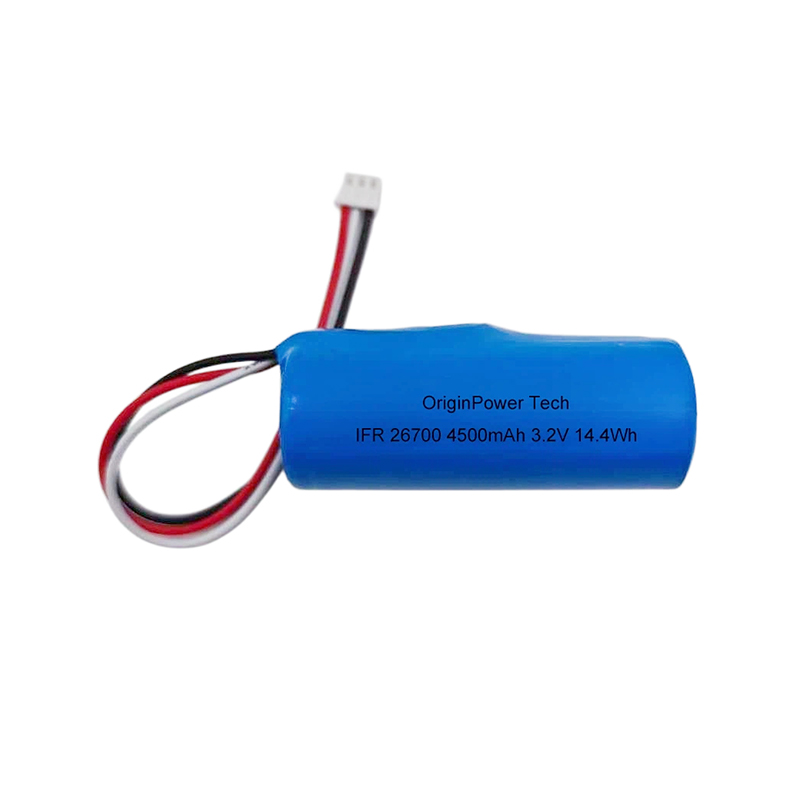
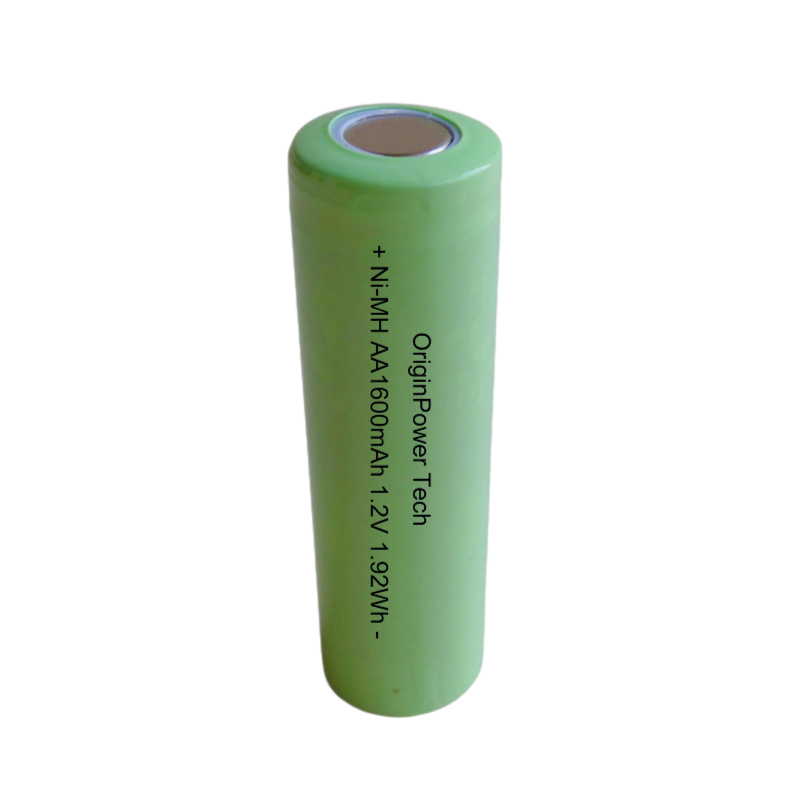
Emergency lighting batteries are specialized units designed to power emergency lighting fixtures during electricity outages. Typically, these batteries are composed of sealed lead-acid (SLA), lithium-ion, or nickel-cadmium cells. The most commonly utilized types in the industry include:
Sealed Lead-Acid (SLA): Known for their reliability and cost-effectiveness, SLA batteries can hold a charge for extended periods but require careful disposal due to lead content.
Lithium-Ion: These batteries are gaining popularity due to their higher energy density; they can be fully charged in a fraction of the time it takes SLA batteries and can have a lifespan of over 10 years.
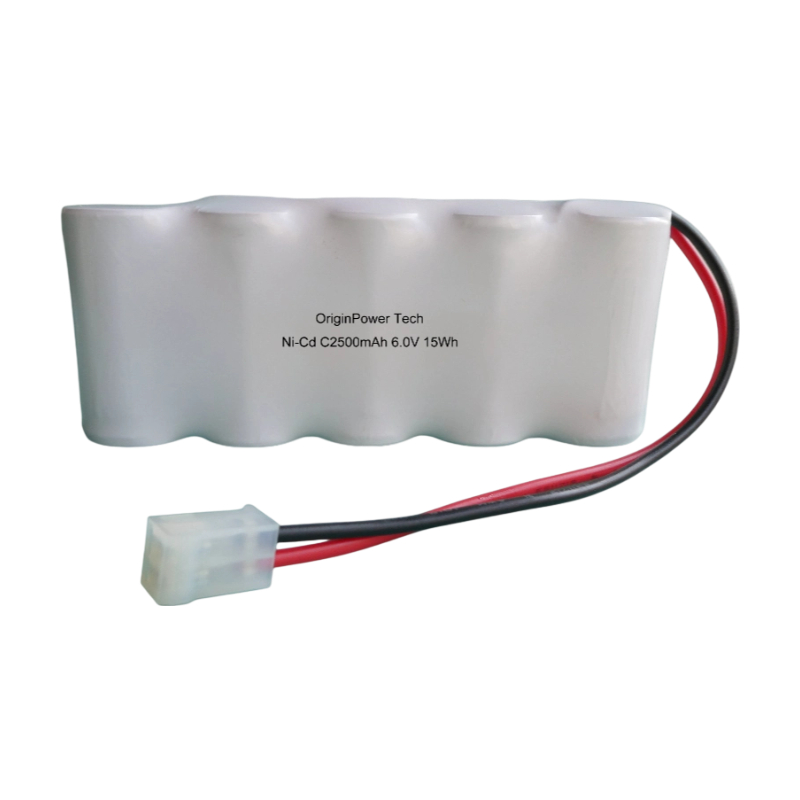
Nickel-Cadmium (NiCd): Although less popular today, NiCd batteries offer excellent performance in extreme temperatures but suffer from a memory effect, which can reduce their efficiency over time.
Choose the optimal battery type and size based on your emergency lighting needs, as this can significantly impact performance and reliability.
Emergency lighting batteries are essential across various sectors, including:
Commercial Spaces: Retail stores and offices require emergency lighting to meet safety regulations and enhance customer experience during power failures.
Healthcare: Hospitals and clinics depend on reliable emergency lighting to ensure patient safety in critical areas such as operating rooms and hallways during outages.
Residential Properties: Homeowners need functioning emergency lights to navigate safely during unexpected blackouts, preventing accidents and ensuring security.
Public Infrastructure: Schools, transportation hubs, and government buildings use emergency lighting systems to protect public safety and comply with fire codes.
By using the appropriate emergency lighting battery, providers ensure that systems remain operational, reducing potential liability and safeguarding lives.
The importance of high-quality emergency lighting batteries is underlined by data-driven benefits:
Safety Compliance: Emergency lights equipped with reliable batteries help companies comply with local safety regulations, decreasing the risk of legal penalties.
Risk Reduction: With proper emergency lighting, the likelihood of accidents during power outages is significantly minimized; studies show that well-lit escape routes can lower injury rates by 42%.
Improved Response Times: According to the National Fire Protection Association (NFPA), buildings equipped with reliable emergency lighting enhance occupant evacuation times by approximately 30% during emergencies.
Investing in superior emergency lighting solutions equates to investing in safety and peace of mind.
For those looking to better understand how emergency lighting systems can benefit their environment, we recommend exploring the user’s guide related to system installation and maintenance. Familiarizing oneself with industry standards and battery choices—considering factors such as power, capacity, and lifespan—will bolster your emergency preparedness.
1. What size batteries are best for emergency lights? Choosing the right battery size depends on the required light duration and wattage of your emergency light. Standard configurations often use 6V or 12V batteries, while larger setups may require 24V systems for extended power.
2. How long will my emergency lights last on battery power? Most emergency lights, when fully charged, can operate for 90 minutes to 3 hours, depending on the battery size and output.
3. What should I look for in an Emergency Lighting Battery Supplier? When selecting an emergency lighting battery supplier, consider factors such as product range, compliance with safety standards, and service support. Companies like Guangzhou Originpower Technology Co., Ltd specialize in high-quality, reliable solutions tailored for diverse applications.
4. How frequently should I test my emergency lighting system? Experts recommend testing emergency lighting systems monthly and conducting thorough inspections annually to ensure proper functionality.
In conclusion, being informed about battery options and their applications can significantly impact your emergency response strategies. By working with a trusted Emergency Lighting Battery Supplier, like Guangzhou Originpower Technology Co., Ltd, you’re not just investing in products; you’re investing in safety and preparedness for the unexpected.