Emergency lights use several types of batteries to ensure they remain operational during power outages. The most common batteries include:
Lead-acid batteries are widely used due to their cost-effectiveness and ability to provide sufficient voltage. They are known for high reliability and a long service life.
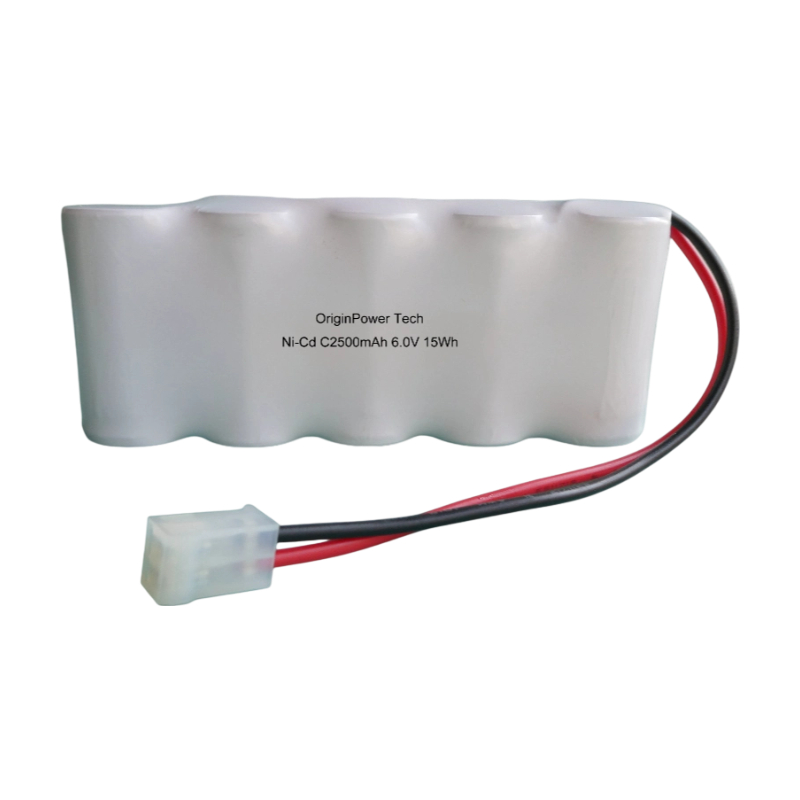
NiCd batteries have excellent charge retention and perform well under extreme temperatures, making them a popular choice for emergency lighting.
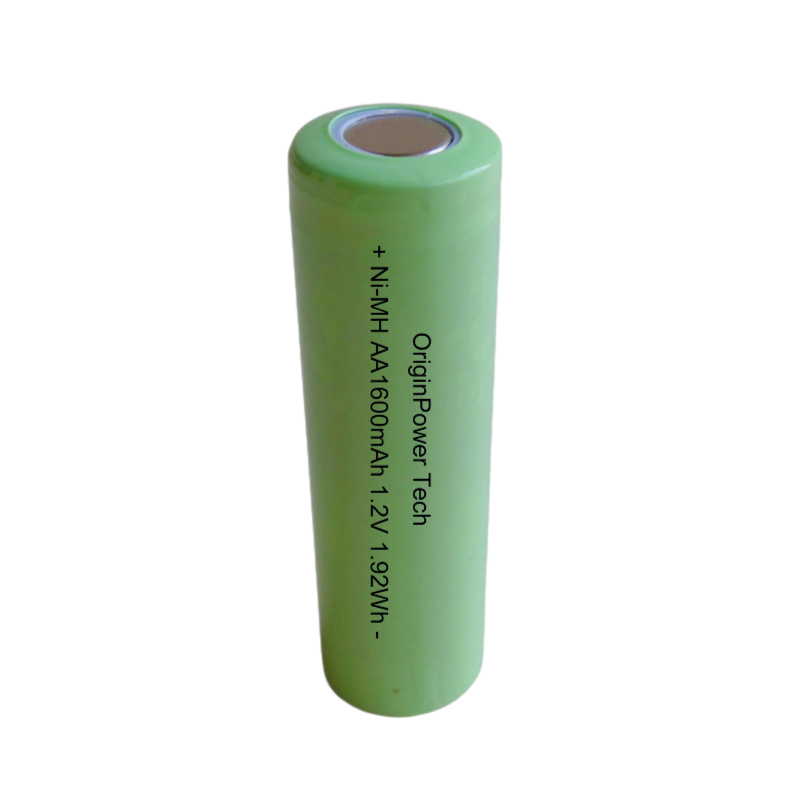
NiMH batteries are more environmentally friendly and provide higher capacity and energy density than NiCd, although they may have shorter lifespans.
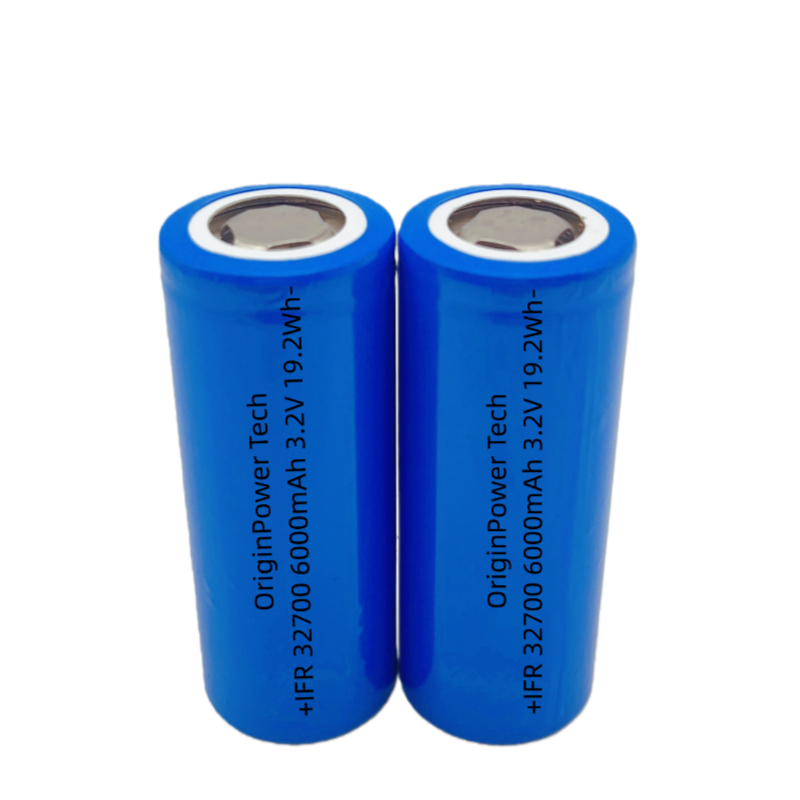
Lithium-ion batteries are lightweight, rechargeable, and can operate for extended periods, thus increasing their efficiency in emergency lighting applications.
When choosing a battery for emergency lights, consider the following key characteristics to ensure optimal performance:
This refers to how quickly a battery can deliver energy. A higher discharge rate is essential for emergency lights that require instant illumination.
The time it takes for a battery to recharge fully can greatly affect the resilience of emergency lighting systems. Faster recharge rates are preferable.
Batteries need to function effectively in various temperature conditions. Ensure the selected battery suits the temperature range in which it will be used.
Battery capacity impacts how long the emergency light can run when activated. A higher voltage can deliver more power to brighter lights.
| Battery Type | Cost | Life Span | Recharge Time | Capacity (Ah) |
|---|---|---|---|---|
| Lead-acid | Low | 5-7 years | 8-12 hours | 4-20 Ah |
| NiCd | Moderate | 3-5 years | 1-3 hours | 3-10 Ah |
| NiMH | Moderate-High | 3-6 years | 1-5 hours | 5-10 Ah |
| Lithium-ion | High | 5-10 years | 1-2 hours | 2-15 Ah |
Here are guiding steps to help you choose the right battery for your emergency light:
Determine how much light you need and for how long during a power outage. This requirement will guide your choice of battery capacity.
Review the strengths of various battery types to find one that meets your performance requirements.
Balance your budget with the lifespan of the battery. Higher upfront costs may be offset by longer life and fewer replacements.
Ensuring that the battery you choose is compatible with your specific emergency lighting equipment is crucial for functionality.
Choosing the right battery for your emergency lights is crucial for maintaining safety during power outages. Understanding different battery types, their characteristics, and how to select the best fit will ensure your emergency lighting system works effectively when needed the most. For high-quality emergency lighting solutions, consider partnering with Guangzhou Originpower Technology Co., Ltd to access reliable and efficient battery options.
If you would like more information about this product, please feel free to contact us. Recommend other popular products for you.: Emergency Lighting Battery Supplier