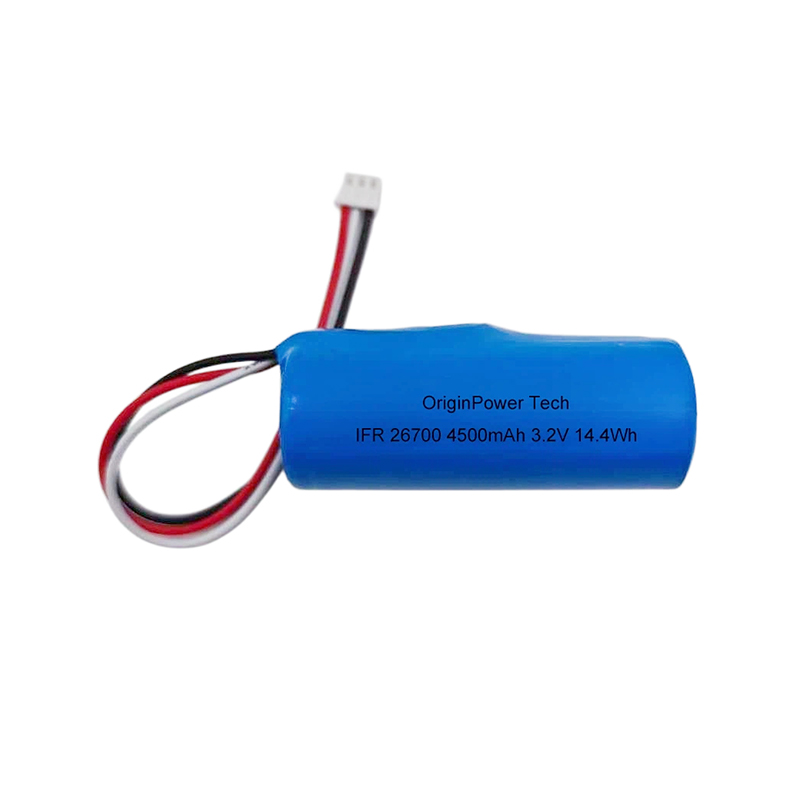
LiFePO₄ batteries, or Lithium Iron Phosphate batteries, are increasingly used in various applications due to their safety, durability, and efficiency. These batteries are known for their stable chemical composition, which minimizes risks associated with overheating and combustion. As a result, they are becoming a popular choice for home energy storage, electric vehicles, and renewable energy systems. On the road to sustainability and energy independence, understanding the safety aspects of LiFePO₄ batteries is vital.
Many users worry about the safety of LiFePO₄ batteries in home settings. While they are generally deemed safe, it's essential to look at their safety concerns. Here are some key points to consider:
Overcharging or utilizing batteries beyond their specifications can lead to overheating, although LiFePO₄ batteries have a lower risk compared to other lithium-ion chemistries.
In extreme conditions, chemical releases may occur; however, LiFePO₄ remains stable under high temperatures, unlike other battery types that can produce toxic fumes.
While any battery can pose a fire risk, LiFePO₄ batteries have a greater thermal stability, largely due to their chemical structure.
There are numerous advantages to using LiFePO₄ batteries in residential settings. These include:
With a lifespan of over 2000 charge cycles, LiFePO₄ batteries last significantly longer than many traditional batteries.
These batteries are considered more environmentally friendly as they do not contain toxic heavy metals.
LiFePO₄ batteries maintain a consistent voltage, which enhances the efficiency of home energy systems.
They have the capability of deep discharging without damaging the battery, providing more usable energy.
| Battery Type | Average Lifespan (Cycles) | Cost | Thermal Stability | Environmental Impact |
|---|---|---|---|---|
| LiFePO₄ | 2000+ | Moderate | High | Low |
| Lead Acid | 500-800 | Low | Low | Moderate |
| Lithium-ion (NMC) | 1000-2000 | High | Moderate | Moderate |
To ensure safe usage of LiFePO₄ batteries at home, following these guidelines is crucial:
Professional installation is recommended to ensure connections and setups meet safety standards.
Regularly check battery health and charging levels to avoid any incidents.
Keep a fire extinguisher readily available, and have an emergency plan in place in case of heating issues.
In summary, LiFePO₄ batteries are regarded as safe for home use due to their thermal stability, longevity, and eco-friendliness. When used correctly and monitored, they provide an efficient and safe energy solution for residential applications. Adhering to installation guidelines and safety measures will enhance their reliability further. As advancements in battery technology continue to evolve, LiFePO₄ batteries will likely remain a top choice for homeowners looking to embrace sustainable energy solutions.