When it comes to rechargeable batteries, the question arises: "Which is better, NiMH or lithium battery?" Many people are unsure about which option to choose for their devices. Understanding the differences can help avoid frustration. It's essential to consider key factors like capacity, lifespan, and environmental impact. Both types of batteries serve various purposes, from powering everyday gadgets to supporting renewable energy sources. 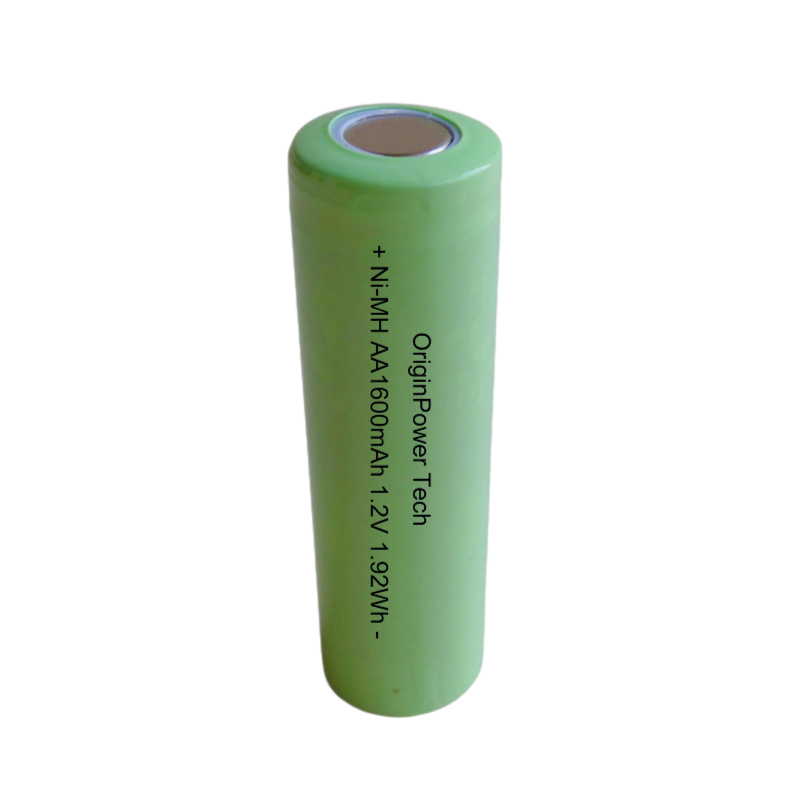
Ultimately, NiMH batteries are generally better for high-drain devices, while lithium batteries excel in long-term energy storage and efficiency.
NiMH batteries usually have a lower energy density, around 60-120 Wh/kg. They are ideal for high-drain devices, such as digital cameras and power tools.
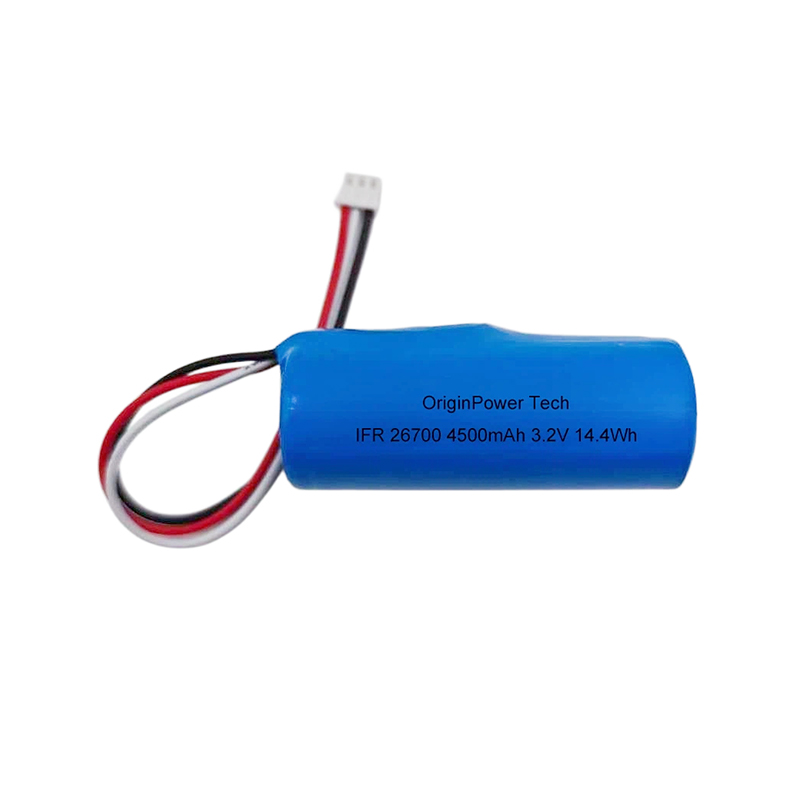
Lithium batteries offer higher capacity, often exceeding 200 Wh/kg. This makes them suitable for smartphones, laptops, and electric vehicles.
NiMH batteries typically last for about 500 cycles. They are prone to self-discharge, meaning they lose charge quicker when not in use.
Lithium batteries can endure up to 1,500 cycles. They have a slower self-discharge rate, making them more efficient in the long run.
While NiMH batteries are less harmful to the environment than older technologies, they still require proper disposal.
Lithium batteries are more challenging to recycle. The lithium extraction process can also have damaging effects on local ecosystems.
The average cost for a NiMH battery is lower, making them a budget-friendly option for many consumers.
Lithium batteries are usually more expensive to produce, leading to higher prices for consumers. However, their longer lifespan can make them a better investment.
In summary, both NiMH and lithium batteries have their advantages and disadvantages. The best choice depends on your specific needs. For high-drain applications, NiMH may be the better option. For longer-lasting power in portable devices, lithium batteries are likely superior. Understanding the differences between these two battery types is crucial for making informed decisions regarding energy storage solutions.
Often, they cannot due to differences in voltage and capacity.
Yes, while they can get warm during charging, they are generally safe when used correctly.
Check local regulations for recycling options or designated disposal sites.
Lithium batteries are often more efficient due to lower self-discharge rates.
NiMH batteries can experience memory effect, while lithium batteries do not.