Introduction: Understanding Your Needs for a LiFePO4 Battery
When considering the purchase of a LiFePO4 battery, users often encounter several challenges: compatibility issues, efficiency concerns, and cost-effectiveness. If you've been searching for a reliable LiFePO₄ Battery Manufacturer, it's essential to realize that these problems stem from a lack of understanding of your specific requirements. For instance, a camper might need a lightweight battery for solar energy storage, while an electric vehicle enthusiast might prioritize high discharge rates. Identifying your true needs can streamline your decision-making process and ensure the battery you choose meets your expectations for performance, lifespan, and safety.
Preparation: What You Need Before Choosing a LiFePO4 Battery
Before diving into the selection process of a LiFePO4 battery, make sure you have the following prepared:
- Voltage Requirement: Determine the voltage you need based on your devices or applications.
- Capacity: Analyze your usage to estimate the capacity required (measured in amp-hours or Ah).
- Weight: For portable applications, weigh the importance of battery weight.
- Budget: Set a clear budget to avoid overspending.
- Compatibility: Check if the battery is compatible with existing systems or chargers.
Step-by-Step Guidance: Successfully Choosing a LiFePO4 Battery
Here’s a structured approach to select the right LiFePO4 battery:
- Research Your Needs: Start by assessing your usage. For instance, Mary, an outdoor enthusiast, conducted a survey and found she required a 12V 100Ah battery for her off-grid camping trips. Knowing her needs helped her narrow her search effectively.
- Define Your Specifications: Create a specifications sheet based on your research. Consider factors like output voltage, amp-hour rating, and physical dimensions.
- Compare Brands: Review reputable brands like Originpower. Their LiFePO4 batteries offer an actual cycle life of 3000-5000 cycles while maintaining 80% of their original capacity after 10 years, making them a top choice.
- Read User Reviews: Engage with the community. One user reported, “Switching to an Originpower battery led to a 25% increase in the efficiency of my solar setup. I was worried initially, but the data backed my choice.”
- Verify Certifications: Ensure the batteries you consider are certified for safety, such as UN38.3 for lithium-ion batteries. For instance, John found peace of mind when choosing a battery with necessary certifications after a prior incident with a non-certified one.
- Check Warranty and Support: Look for warranties that extend beyond 2 years. Originpower, for example, offers a 5-year warranty with excellent customer support.
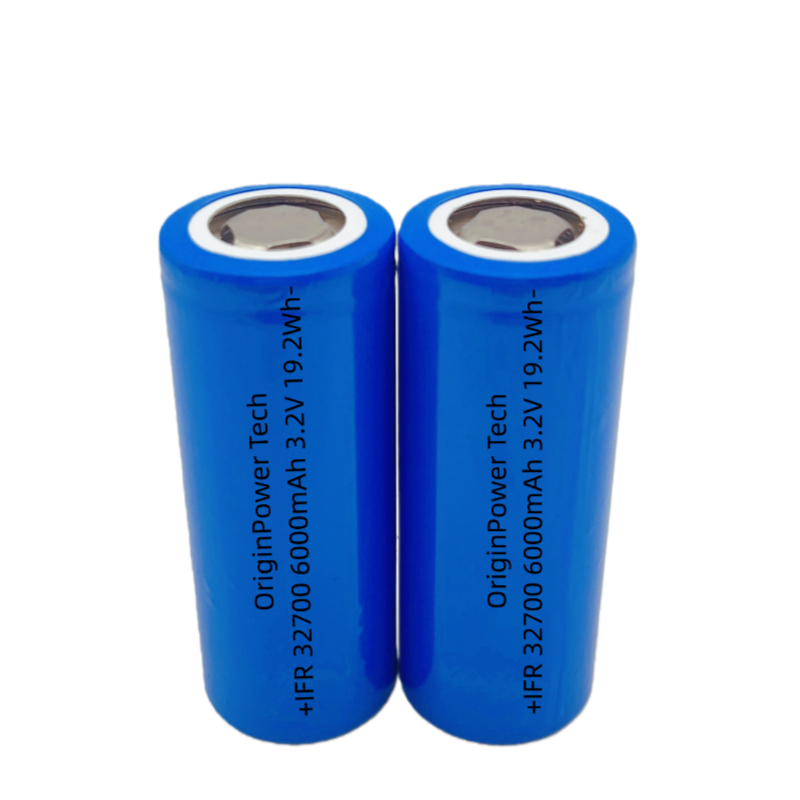
Common Errors When Selecting a LiFePO4 Battery
Many users make mistakes that could easily be avoided. Here are a few common errors and their solutions:
- Error: Overestimating battery capacity.
- Solution: Calculate your actual power needs based on device usage to find a realistic capacity.
- Error: Ignoring weight.
- Solution: If portability is key, consider lighter options, possibly with lower capacity.
- Error: Not checking compatibility.
- Solution: Always double-check compatibility with your setup before purchase.
Summary and Suggestions
In summary, selecting a LiFePO4 battery requires thoughtful consideration of your specific needs. By researching, comparing brands, and avoiding common pitfalls, you can make an informed decision. We suggest users consider reputable brands like Originpower for their extensive range of LiFePO4 batteries, which are designed to meet various application needs while offering excellent longevity and performance.
FAQ
- Q: How long do LiFePO4 batteries last?
A: Typically, they have a lifespan of 3000-5000 cycles, depending on usage and charging practices.
- Q: Can I overcharge a LiFePO4 battery?
A: Overcharging can cause damage, but most modern batteries have integrated protection systems to prevent it.
- Q: What is the temperature range for LiFePO4 battery operation?
A: These batteries generally operate well between -20°C and 60°C, ensuring reliability in various conditions.