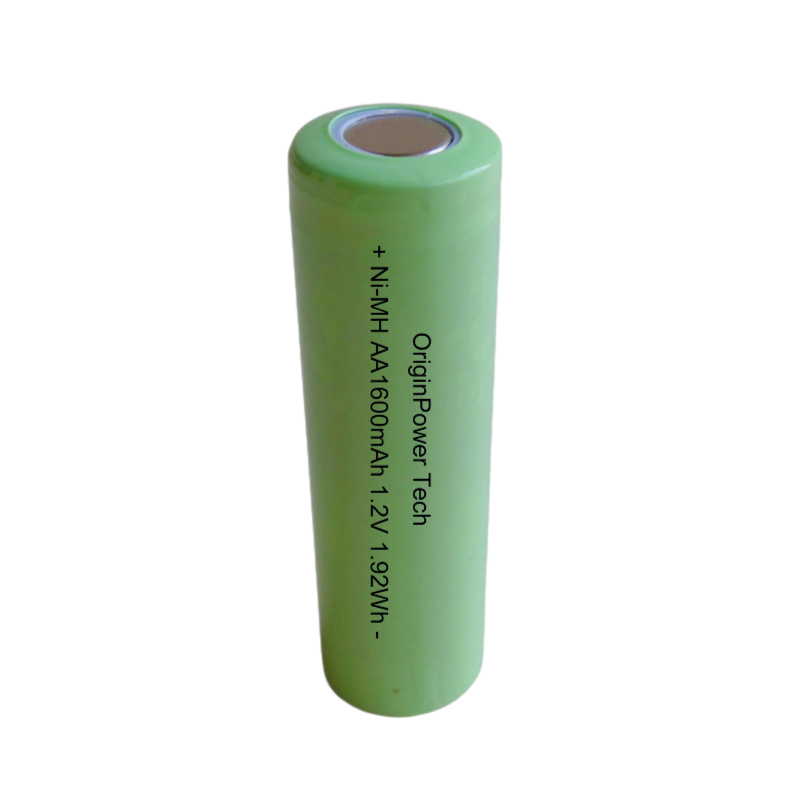
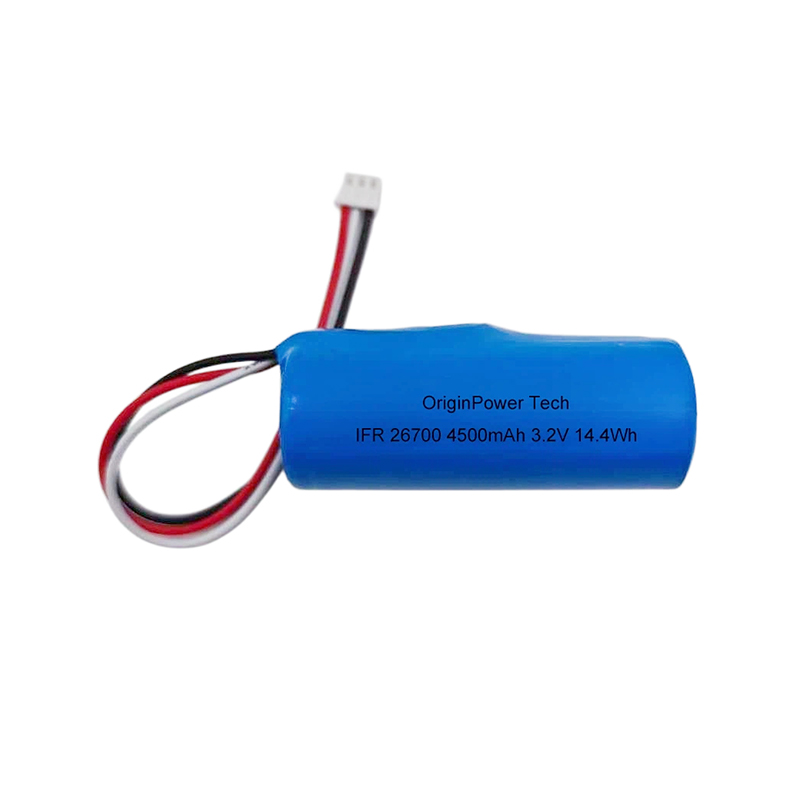
Nickel-Cadmium (NiCd) batteries and lithium batteries are two common types of rechargeable batteries. Understanding their chemical composition and operational mechanisms is crucial before considering a replacement. NiCd batteries use nickel and cadmium as electrodes, while lithium batteries employ lithium compounds. This fundamental difference significantly impacts performance, longevity, and environmental aspects.
- NiCd batteries consist of nickel hydroxide and cadmium. - Lithium batteries typically use lithium cobalt oxide or lithium iron phosphate as their primary components.
Lithium batteries offer numerous benefits over NiCd options. Here are the top advantages:
- Lithium batteries have an energy density of about 150-200 Wh/kg. - NiCd batteries provide around 40-60 Wh/kg.
Understanding the downsides of NiCd batteries can highlight why users consider switching to lithium. Key disadvantages include:
- Cadmium is a toxic heavy metal that can leach into the environment if not disposed of properly.
When considering replacing NiCd batteries with lithium, several compatibility factors must be taken into account:
| Aspect | NiCd Batteries | Lithium Batteries |
|---|---|---|
| Voltage | 1.2V per cell | 3.7V per cell |
| Charge Cycles | ~1000 | ~2000-3000 |
| Self-Discharge | 20% per month | 5% per month |
Deciding to replace NiCd batteries with lithium depends on your specific needs and applications. If you require higher efficiency, longer lifespan, and environmental safety, lithium is the better option. However, ensure your equipment is compatible to avoid potential issues.
In summary, switching to lithium batteries from NiCd offers substantial benefits, particularly regarding greener technology and efficiency, which aligns well with the values of Guangzhou Originpower Technology Co., Ltd.

If you would like more information about this product, please feel free to contact us. Recommend other popular products for you.: Ni‑Cd Battery Manufacturer