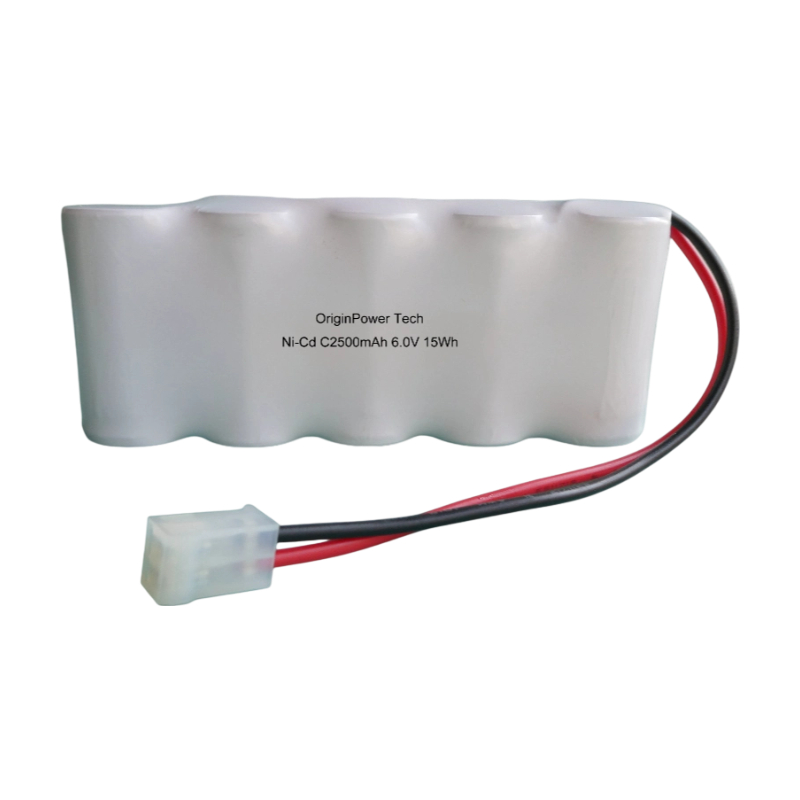
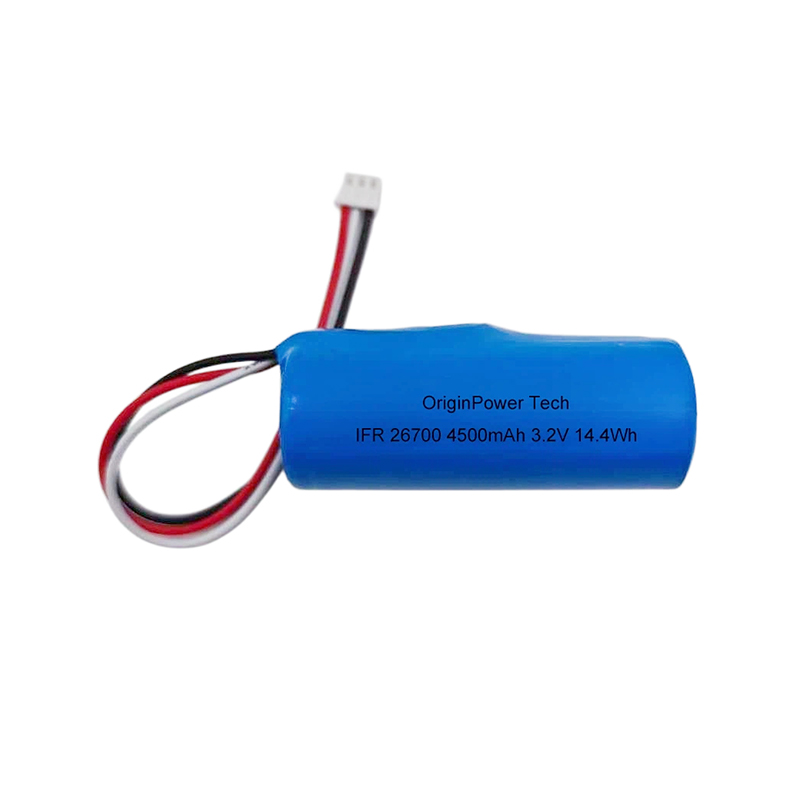
The **difference between Nicad, NiMH, and Li-Ion battery cells** can be confusing. Many devices use these batteries, and knowing their differences is important. Each battery type has unique features. This knowledge helps in making better choices for your devices. Are you unsure about which battery is best for your needs? Understanding these battery technologies is essential. 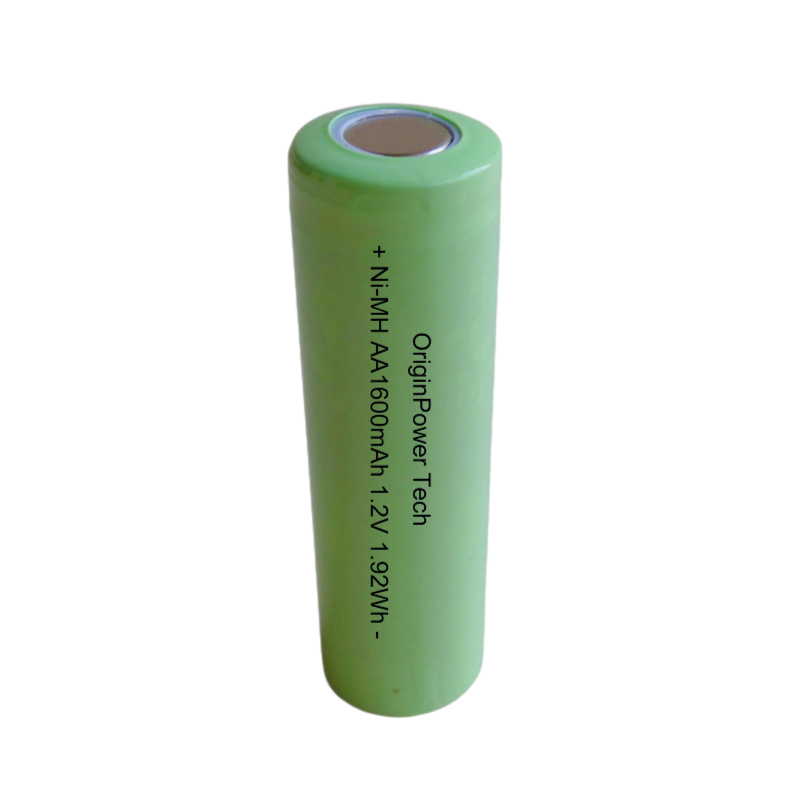
The main differences between these battery types are battery chemistry, energy density, and charge cycles. **NiCad batteries offer reliable performance but have memory effect issues. NiMH batteries have higher capacity and are more environmentally friendly. Li-Ion batteries are lighter and provide the highest energy density.**
NiCad (Nickel-Cadmium) batteries use nickel and cadmium as chemicals. NiMH (Nickel-Metal Hydride) batteries use nickel and a metal hydride. Li-Ion (Lithium-Ion) batteries use lithium. This difference affects capacity, lifespan, and charging.
Li-Ion batteries have the highest energy density, providing more energy in a smaller size. NiMH batteries come next, but NiCad batteries fall short. Higher energy density means longer usage times for devices.
Li-Ion batteries typically offer 500 to 1,500 charge cycles. NiMH batteries provide about 300 to 500 cycles. NiCad batteries allow around 1,000 cycles but suffer from memory effect, which reduces their capacity over time.
NiCad batteries contain toxic cadmium, which can be harmful. NiMH batteries are more environmentally friendly, while Li-Ion batteries are often recycled. Choosing the right battery can reduce your carbon footprint.
Li-Ion batteries work well in a range of temperatures, while NiMH and NiCad batteries can struggle in extreme heat or cold. This performance affects how devices operate in different conditions.
NiCad batteries are generally the cheapest. NiMH batteries cost more, while Li-Ion batteries are typically the most expensive. However, a higher upfront cost for Li-Ion can mean savings in the long run due to longer life and efficiency.
In summary, knowing the **difference between Nicad, NiMH, and Li-Ion battery cells** is crucial. Each battery type has distinct advantages and disadvantages. By understanding battery chemistry, energy density, charge cycles, and environmental impacts, you can choose the best battery for your needs. Make informed choices to benefit your devices and the environment.
1. What is memory effect in batteries?
Memory effect is when a battery loses capacity if it is not fully discharged before recharging. This is common in NiCad batteries.
2. Can I use a NiMH charger for Li-Ion batteries?
No, chargers are specifically designed for their battery type. Using the wrong charger can damage the battery.
3. How do I know if my battery is rechargeable?
Rechargeable batteries typically have a mark indicating they can be charged, and they are usually higher in cost.
4. What is the lifespan of each battery type?
NiCad lasts around 1,000 cycles. NiMH lasts 300-500 cycles. Li-Ion can last from 500 to 1,500 cycles.
5. Are Li-Ion batteries safe?
Yes, when used correctly, Li-Ion batteries are safe. However, they can be dangerous if punctured or exposed to extreme heat.
6. Why are some batteries more expensive than others?
The cost reflects the technology, energy density, charge cycles, and environmental impact of the battery.