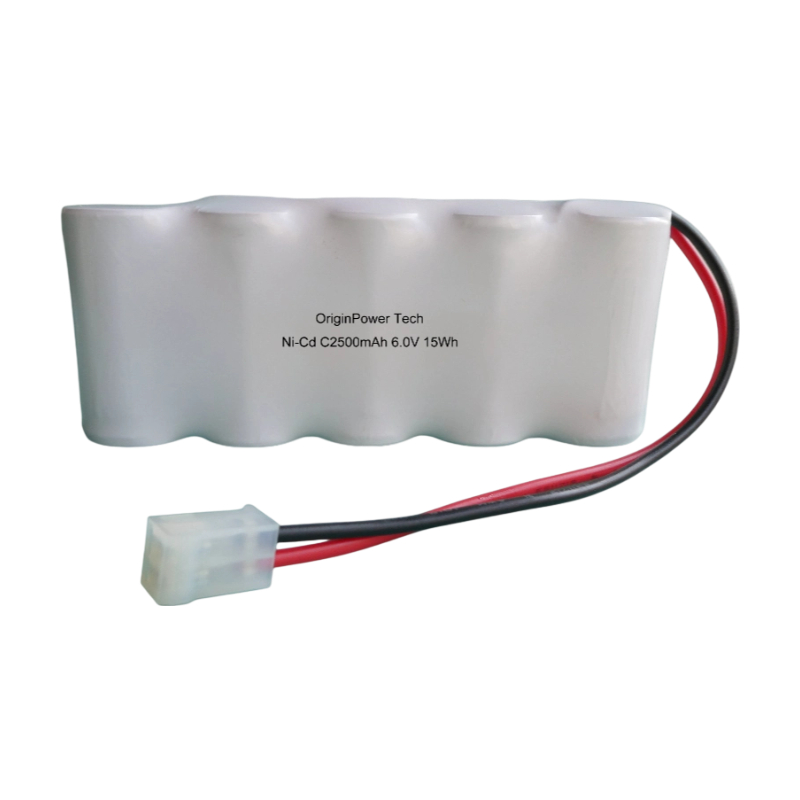
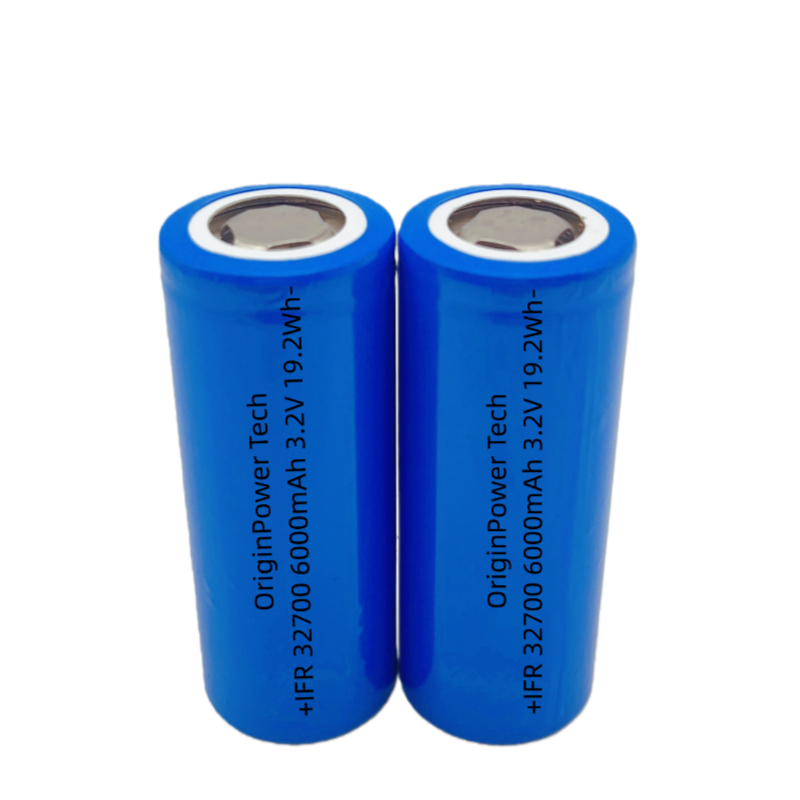
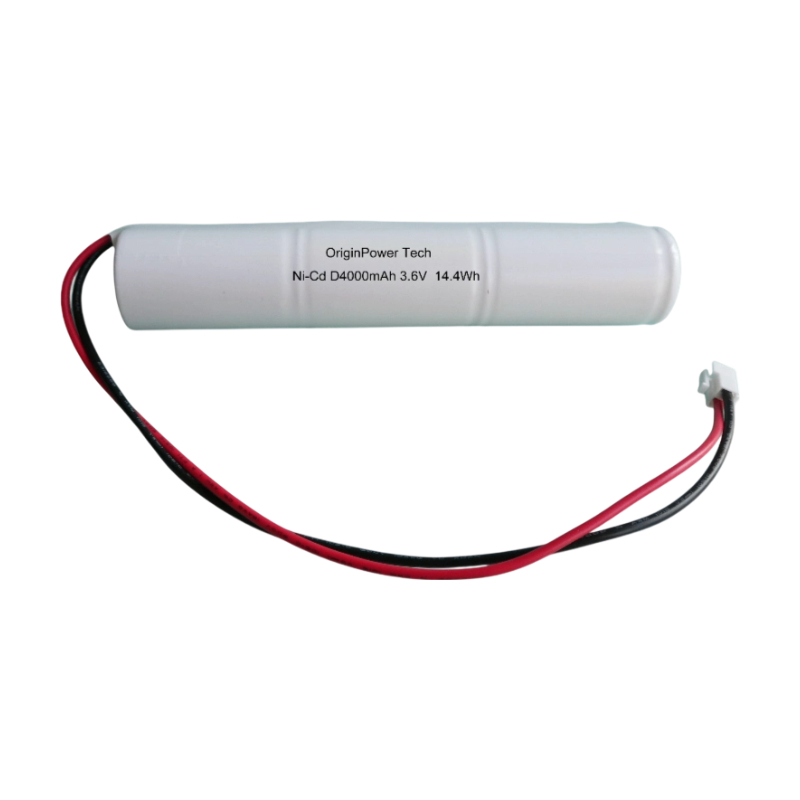
In recent years, the demand for efficient and environmentally friendly battery solutions has surged, making Ni-MH batteries crucial in various industries. Ni-MH battery manufacturers are emerging as key players in this shift, offering innovative solutions that address the pain points associated with traditional battery technologies.
Many businesses and consumers face challenges like the limited lifespan of Lithium-ion batteries, harmful environmental impacts, and the constant need for frequent recharging. The introduction of Ni-MH batteries, known for their superior energy density and prolonged life cycles, has made significant inroads in fields like electric vehicles (EVs), renewable energy storage, and consumer electronics. This article will provide a clear understanding of Ni-MH batteries, their applications, advantages, and what to consider when selecting a Ni-MH battery manufacturer.

A Nickel-Metal Hydride (Ni-MH) battery is a type of rechargeable battery that utilizes nickel hydroxide and a hydrogen-absorbing alloy for its electrochemical processes. These batteries provide higher energy capacities compared to their Ni-Cd (Nickel-Cadmium) counterparts and are often less toxic, which makes them a significant choice for eco-conscious consumers.
According to a report by the International Energy Agency (IEA), the global market for rechargeable batteries, including Ni-MH types, is expected to grow at a compound annual growth rate (CAGR) of 15% by 2025. This shift highlights the growing interest in sustainable energy solutions.
Cycle Life: Refers to the number of complete charge-discharge cycles a battery can undergo before its capacity drops below 80%. Ni-MH batteries typically achieve around 500-1000 cycles.
Energy Density: Indicates the amount of energy stored per unit volume or mass. Ni-MH batteries offer an energy density of approximately 100-120 Wh/kg.
Self-Discharge Rate: The rate at which a battery loses its charge when not in use. Ni-MH batteries have a self-discharge rate of about 20-30% per month, considerably lower than older technologies.
Ni-MH batteries have found extensive applications across various sectors:
Electric Vehicles (EVs): Many hybrid vehicles rely on Ni-MH batteries for propulsion, providing energy efficiency and longevity. For example, the Toyota Prius initially employed Ni-MH batteries for its hybrid technology.
Consumer Electronics: Devices such as digital cameras, cordless phones, and toys utilize these batteries for their ability to maintain excellent performance over prolonged usage.
Renewable Energy Storage: Ni-MH batteries are used in off-grid solar power systems, where they store energy generated during peak sunlight for use at night or during cloudy days.
The importance of Ni-MH batteries cannot be overstated. They offer several significant advantages:
High Energy Capacity: With a capacity of 6-15 Ah, Ni-MH batteries can deliver ample power for various applications, ensuring devices operate efficiently.
Longer Lifespan: Ni-MH batteries have a longer lifecycle, with degradation occurring after approximately 500-1000 charge cycles compared to 300-500 for traditional Nickel-Cadmium cells.
Less Harmful to the Environment: Ni-MH batteries are considered greener alternatives since they lack toxic heavy metals such as mercury, lead, or cadmium.
Superior Performance in Cold Temperatures: They perform better than lithium-ion batteries in low-temperature conditions, making them suitable for outdoor applications.
For further guidance on Ni-MH batteries, refer to user guides or manufacturer's specifications. Companies like Originpower offer comprehensive resources to assist users in understanding their products and applications.
Q1: What is the typical lifespan of a Ni-MH battery? A1: A Ni-MH battery typically lasts around 3-5 years, depending on usage patterns and care.
Q2: Can Ni-MH batteries be used in any device? A2: Ni-MH batteries can be used in various devices, but it is essential to check compatibility, especially for high-drain electronics.
Q3: Are Ni-MH batteries safe to dispose of? A3: While they are considered less toxic, it is still advisable to recycle Ni-MH batteries at designated battery disposal facilities to minimize environmental impact.
Q4: Where can I purchase high-quality Ni-MH batteries? A4: You can find them through authorized Ni-MH battery manufacturers like Originpower, which provide detailed specifications and customer support.
For those interested in transitioning to more sustainable energy solutions, consider exploring the benefits of Ni-MH batteries along with reputable manufacturers that prioritize quality and environmental responsibility.