Nickel-Cadmium (Ni-Cd) batteries are widely used in various devices. However, they come with their own set of benefits and drawbacks. Many consumers are unsure whether these batteries are the right choice for them. The debate between using Ni-Cd batteries versus other types, like lithium batteries or lead-acid batteries, is ongoing. Understanding the pros and cons can help you make a better decision. This article will explore the key points regarding Ni-Cd batteries.
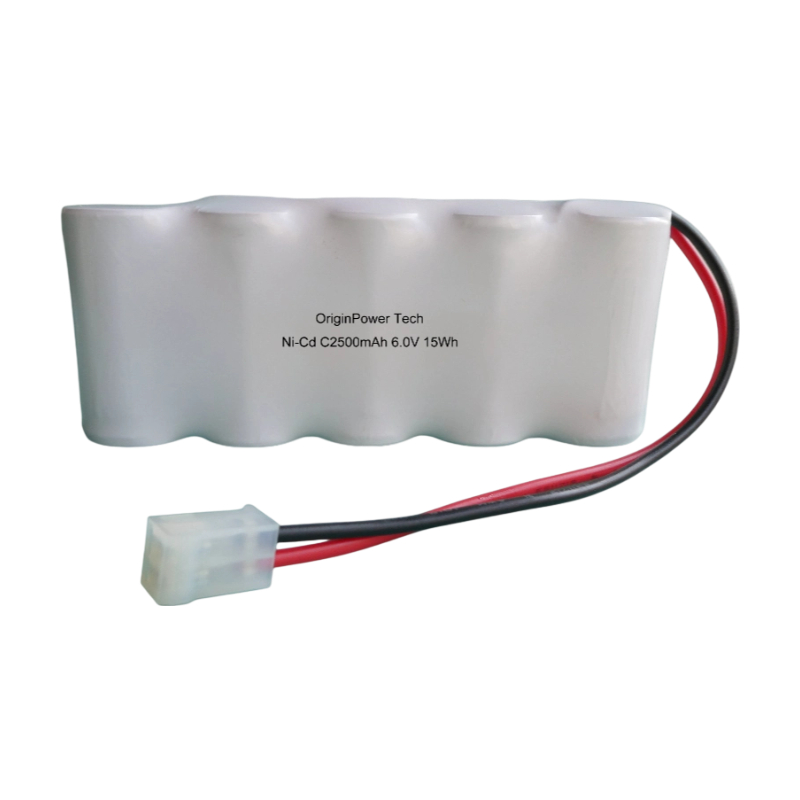
Nickel-Cadmium batteries offer high discharge rates and long cycle life, but they also have issues with memory effect and environmental concerns.
Ni-Cd batteries can deliver high current output. This makes them suitable for power tools and portable devices that require bursts of energy. Their ability to discharge quickly can be a significant advantage.
These batteries can last a long time, often exceeding a thousand charge and discharge cycles. This longevity makes them cost-effective over time, especially for applications that require regular use.
Ni-Cd batteries perform well in various temperatures. They can operate in both hot and cold conditions, making them reliable in outdoor or industrial environments where temperature fluctuations occur.
One significant drawback is the memory effect, where the battery retains a "memory" of the discharge cycle. If not fully discharged, the battery may not hold its entire charge, leading to reduced performance. Users must regularly perform complete discharges to maintain battery life.
Ni-Cd batteries contain cadmium, a toxic metal. Disposal can be problematic, as it poses environmental risks. Many places have regulations requiring proper recycling methods, which can complicate battery maintenance.
Compared to newer battery technologies, Ni-Cd batteries are heavier and bulkier. This can be a disadvantage for portable devices that prioritize weight and size.
| Feature | Nickel-Cadmium (Ni-Cd) | Lithium-Ion | Lead-Acid |
|---|---|---|---|
| Cycle Life | >1000 cycles | 500-2000 cycles | 200-300 cycles |
| Memory Effect | Yes | No | No |
| Environmental Impact | Toxic waste | Less toxic | Toxic waste |
| Weight | Heavy | Light | Very Heavy |
In summary, Nickel-Cadmium batteries have both clear advantages and disadvantages. They are a good choice for high-discharge applications but come with issues like memory effect and environmental concerns. If you are considering a Ni-Cd battery, weigh these factors carefully. They can be a valuable power source depending on your needs.
Yes, they are safe to use if handled correctly. However, proper disposal is essential due to the environmental impact of cadmium.
Regularly discharge the battery completely before recharging to avoid memory effect.
They are often used in power tools, toys, and some portable electronics.
Yes, you can recycle them at specialized facilities to mitigate environmental damage.
Charge times can vary, but it usually takes from 1 to 4 hours for a complete charge, depending on the capacity and charger.