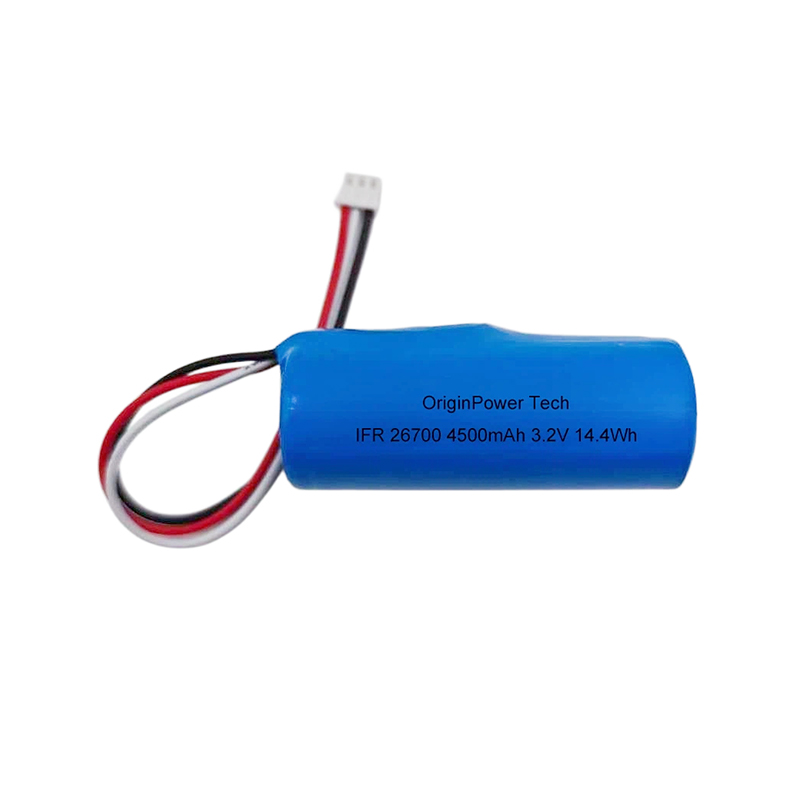
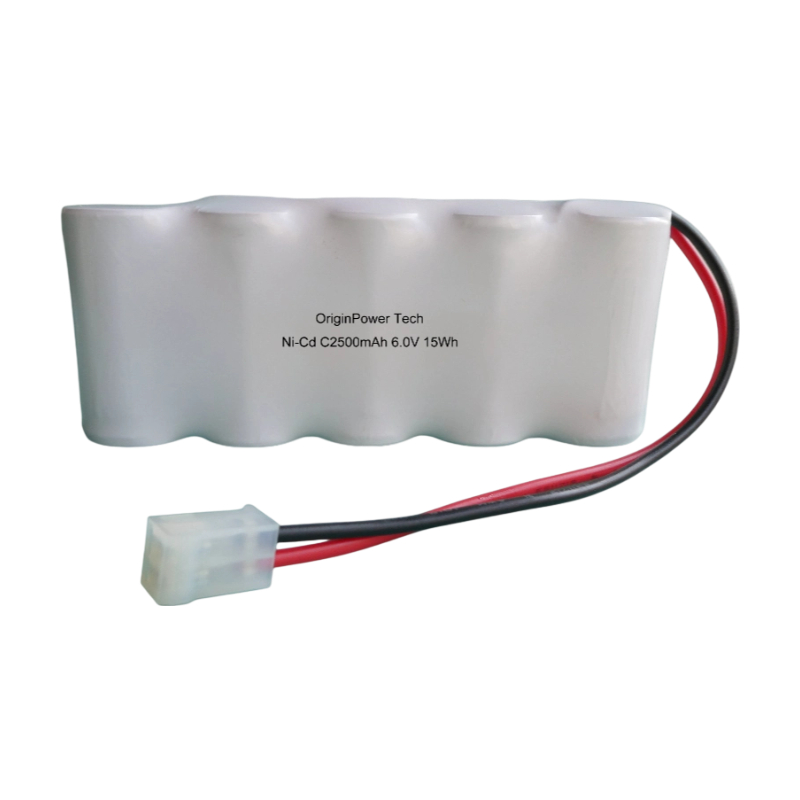
In the growing landscape of emergency preparedness and safety, the role of an Emergency Lighting Battery Supplier becomes increasingly vital. These batteries are essential for providing reliable lighting during power outages, natural disasters, or other unexpected emergencies. Given the increased frequency of severe weather events, the demand for effective emergency lighting solutions has surged, highlighting the need for quality batteries that can perform under pressure. In environments where safety cannot be compromised, understanding the specifications of emergency lighting batteries—such as longevity, charging speed, and performance—becomes crucial for both consumers and businesses alike.

Emergency lighting batteries are specifically designed to power lights when a sudden loss of electricity occurs. These batteries fall into two main categories: rechargeable and non-rechargeable.
Rechargeable emergency lighting batteries, often Lithium-ion (Li-ion) or Nickel-Metal Hydride (NiMH), provide a longer lifespan with thousands of charge cycles. According to a study from the Journal of Energy Storage, Li-ion batteries are noted for their energy density of approximately 250 Wh/kg, making them a preferred choice in emergency lighting applications.
Key terms pertinent to emergency lighting batteries include:
Emergency lighting batteries are utilized across various fields, including:
Being equipped with a reliable emergency lighting system, powered by high-quality batteries, can mean the difference between safety and chaos in times of crisis.
The importance of high-quality emergency lighting batteries cannot be overstated. Here are several key advantages:
To make an informed decision when investing in emergency lighting batteries, users should:
The ideal size of the battery depends on the application. For smaller lights, 6V batteries are typically sufficient, while larger emergency fixtures may require a 12V system.
On average, emergency lighting batteries can last between 3-5 years, depending on usage and maintenance.
Yes, most commercial and residential emergency lighting systems allow for battery replacement. Always refer to manufacturer guidelines for the best practices.
Yes, lithium-ion batteries have a significantly higher energy density and longer lifespan than traditional lead-acid batteries, making them a better option for emergency lighting scenarios.
For additional information or to understand more about emergency lighting systems, consider diving deeper into resources offered by Originpower. Understanding your needs will ensure you are better prepared for any emergency situation.