LiFePO4 batteries demonstrate remarkable thermal stability, which ensures reliability and safety even under extreme conditions. Their structure allows them to function effectively without overheating.
Tests indicate that LiFePO4 batteries can withstand temperatures up to 150 °C while maintaining performance and safety. This characteristic is crucial for applications like electric vehicles.
Another significant advantage of LiFePO4 batteries is their long cycle life. They can typically endure over 2000 charge-discharge cycles without losing significant capacity.
Due to the longevity of LiFePO4 batteries, users experience a lower total cost of ownership. For instance, over ten years, users can save thousands in replacement and maintenance costs compared to traditional battery types.
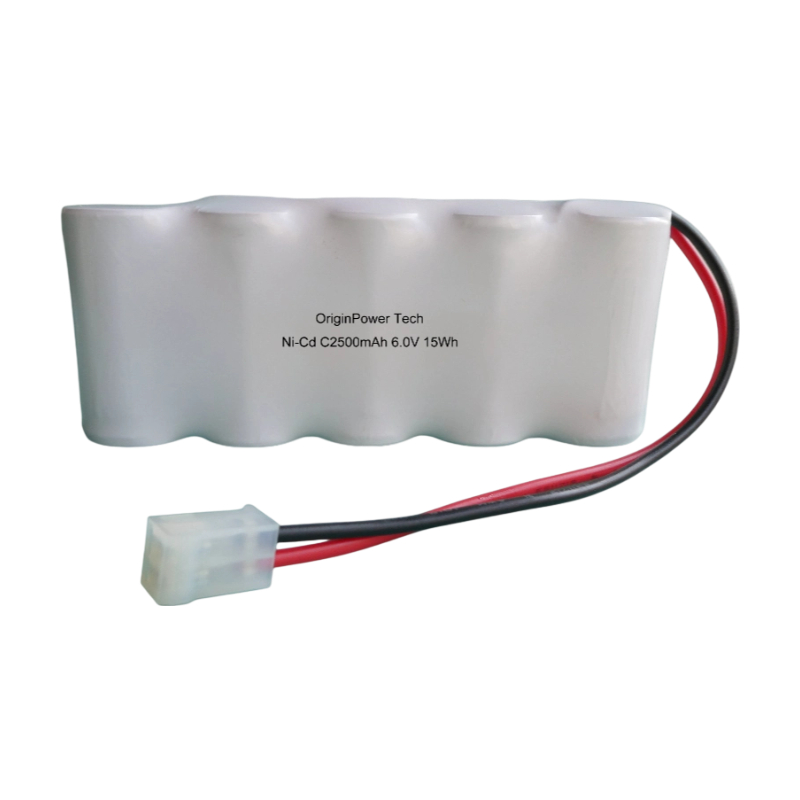
LiFePO4 batteries are composed of environmentally friendly materials, making them a suitable choice for eco-conscious consumers. Unlike lead-acid or nickel-cadmium batteries, LiFePO4 does not contain harmful heavy metals.
These batteries can be recycled, reducing the environmental impact at the end of their life cycle. Industry studies show that up to 95% of components can be reused or recycled.
Safety is a primary concern for battery technologies, and LiFePO4 excel in this area. These batteries are less prone to thermal runaway compared to lithium-ion equivalents, significantly reducing fire risks.
LiFePO4 batteries often include built-in protection mechanisms that safeguard against overcharging, over-discharging, and short circuits.
LiFePO4 batteries boast versatility in various applications, including electric vehicles, solar energy storage, and portable consumer electronics. Their adaptability makes them a preferred choice across industries.
As the demand for renewable energy solutions rises, so does the adoption of LiFePO4 technology. Research predicts the global market for these batteries to exceed $10 billion by 2025.
| Feature | LiFePO4 | Lithium-ion | Lead-acid |
|---|---|---|---|
| Cycle Life | 2000-5000 cycles | 500-1500 cycles | 200-300 cycles |
| Thermal Stability | High | Medium | Low |
| Environmental Impact | Low | Medium | High |
| Cost | Moderate | High | Low |
In summary, Lithium Iron Phosphate batteries represent a profound advancement in battery technology, addressing many pain points encountered with traditional battery types. Their benefits are not only technical but also ecological and economic. Understanding these advantages can help buyers and distributors make informed decisions in their operations.

For companies like Originpower, incorporating these batteries can enhance product offerings, aligning with sustainability trends while delivering high performance.